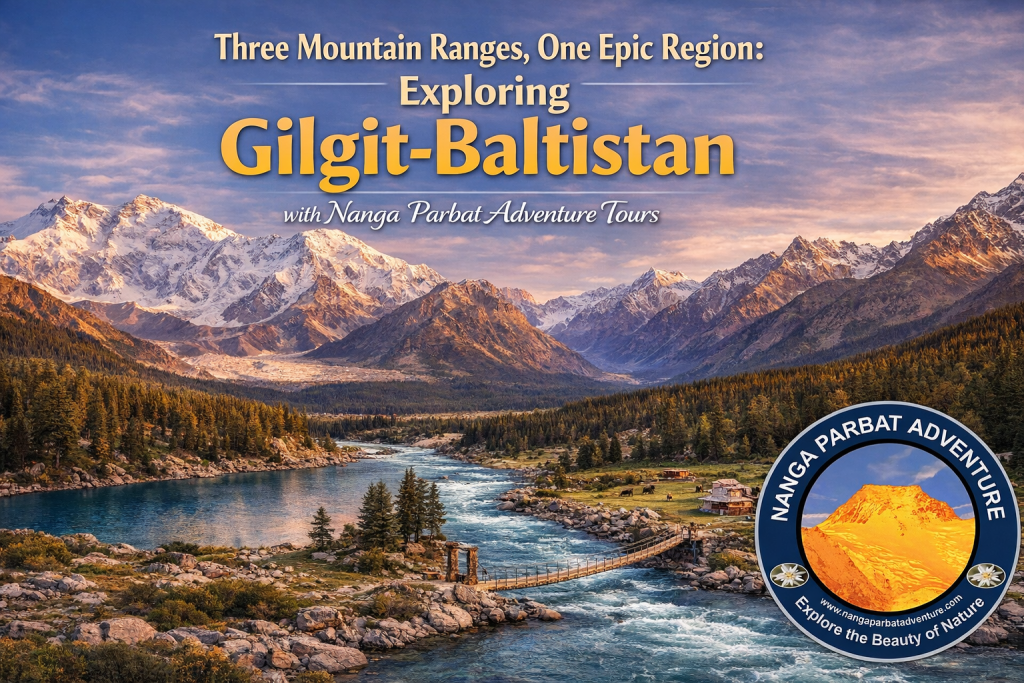
Exploring Gilgit-Baltistan with Nanga Parbat Adventure Tours. Tucked away in the northernmost part of Pakistan lies a region that feels almost otherworldly. Gilgit-Baltistan is where nature gathers its most dramatic masterpieces—towering peaks, ancient glaciers, and valleys that stretch into eternity. What makes this region truly unique is that it is the only place on Earth where three of the world’s greatest mountain ranges meet: the Himalayas, the Karakoram, and the Hindu Kush.
For travelers seeking raw adventure and unforgettable landscapes, exploring this region with Nanga Parbat Adventure Tours is one of the best ways to experience its magic. From trekking to cultural exploration, every journey here feels like stepping into a living postcard.
The Unique Geography of Gilgit-Baltistan
Gilgit-Baltistan is often referred to as the “Roof of the World,” and for good reason. It is home to some of the highest peaks on the planet, including the legendary Nanga Parbat, the ninth-highest mountain in the world, famously known as the “Killer Mountain.”
What sets this region apart is its rare geographical convergence:
- The Himalayas bring lush valleys and iconic peaks
- The Karakoram boasts rugged terrain and massive glaciers like Baltoro
- The Hindu Kush offers dramatic ridgelines and cultural diversity
This combination creates an unparalleled environment for adventurers, photographers, and nature lovers alike.
Nanga Parbat: The Crown Jewel of Adventure
No trip to Gilgit-Baltistan is complete without witnessing the grandeur of Nanga Parbat. Standing at 8,126 meters, it is both awe-inspiring and intimidating. Its steep faces and unpredictable weather have earned it a legendary status among climbers.
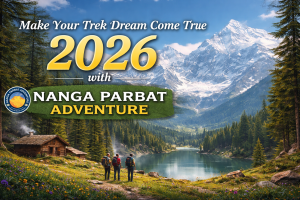
With Nanga Parbat Adventure Tours, travelers can explore the base camp through guided treks that balance thrill with safety. The Fairy Meadows trek, in particular, offers one of the most scenic routes to view the mountain.
Why Visit Nanga Parbat?
- Spectacular sunrise and sunset views over snow-covered peaks
- Access to Fairy Meadows, often called one of the most beautiful places on Earth
- Opportunities for trekking, camping, and photography
A chance to experience local culture in remote mountain villages
Adventure Opportunities Across Three Mountain Ranges
Gilgit-Baltistan isn’t just about sightseeing—it’s about experiencing nature in its rawest form. Whether you’re an adrenaline junkie or a peaceful explorer, the region offers something for everyone.
From beginner-friendly trails to extreme expeditions, the region has it all. Popular treks include:
- Fairy Meadows and Nanga Parbat Base Camp
- Rakaposhi Base Camp
- Baltoro Glacier trek in the Karakoram
Each trail offers unique views, ranging from alpine forests to glacial landscapes.
For serious climbers, Gilgit-Baltistan is a dream destination. The Karakoram range alone hosts some of the world’s most challenging peaks, including K2. While Nanga Parbat remains a formidable challenge, guided tours make it accessible for experienced mountaineers.
Beyond the mountains, the region is rich in culture and history. Travelers can explore:
- Ancient forts like Baltit and Altit in Hunza
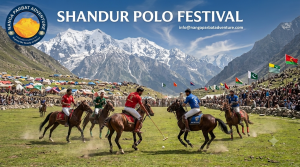
- Traditional music and festivals
- Local cuisine featuring organic and hearty mountain dishes
The journey itself is an adventure. Driving along the Karakoram Highway—often called the Eighth Wonder of the World—offers breathtaking views at every turn.
Why Choose Nanga Parbat Adventure Tours?
Exploring a region as vast and rugged as Gilgit-Baltistan requires expertise and local knowledge. Nanga Parbat Adventure Tours provides:
- Experienced local guides
- Customized itineraries
- Safety-focused trekking plans
- Cultural immersion experiences
Their deep understanding of the terrain ensures that travelers can focus on enjoying the journey without worrying about logistics.
Best Time to Visit Gilgit-Baltistan
Timing your trip is crucial for the best experience.
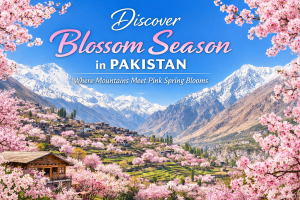
- Spring (April–June): Blooming valleys and moderate weather
- Summer (July–September): Ideal for trekking and high-altitude exploration
- Autumn (October): Stunning fall colors and fewer crowds
- Winter (November–March): Harsh but magical for snow lovers
Most adventure tours, especially those involving Nanga Parbat, operate during the summer months when conditions are safer.
Travel Tips for First-Time Visitors
To make the most of your trip, keep these tips in mind:
- Pack wisely: Weather can change quickly in the mountains
- Stay hydrated: High altitudes can be challenging
- Respect local culture: Dress modestly and be mindful of traditions
- Choose guided tours: Especially for remote areas like Nanga Parba
Sustainable Tourism in Gilgit-Baltistan
As tourism grows, preserving the natural beauty of Gilgit-Baltistan becomes increasingly important. Responsible travel practices include:
- Avoiding plastic waste
- Supporting local businesses
- Respecting wildlife and natural habitats
Tour operators like Nanga Parbat Adventure Tours are actively promoting eco-friendly tourism to ensure that future generations can enjoy this pristine region.
Gilgit-Baltistan is more than just a destination—it’s an experience that stays with you forever. The meeting point of the Himalayas, Karakoram, and Hindu Kush creates a landscape unlike anywhere else on Earth. Add to that the majestic presence of Nanga Parbat, and you have a place that defines adventure.
Whether you’re trekking through Fairy Meadows, exploring ancient cultures, or simply soaking in the views, traveling with Nanga Parbat Adventure Tours ensures a journey that is both safe and unforgettable.
If you’re searching for your next great adventure, look no further. Gilgit-Baltistan is calling—and it promises an experience beyond imagination.