
Buddhism in Pakistan’s Silk Route: A Forgotten Crossroads of Faith and Trade
The old Silk Route was more than just a group of trade routes that connected East Asia to Central Asia, the Middle East, and Europe. It was also a strong way for sharing ideas, cultures, and religions. One of the most important religions that spread along this route was Buddhism, and the area that is now Pakistan was very important in this spiritual journey.
Pakistan: The Heart of the Silk Route
Geographically, Pakistan lay at the crossroads of major Silk Route branches connecting:
India
Central Asia
China
Iran
Afghanistan
Areas like Gandhāra (now part of Khyber Pakhtunkhwa and northern Punjab) became important places for traders, monks, scholars, and pilgrims traveling these paths. This made Pakistan an important link between Buddhism in South Asia and the rest of Asia.
Rise of Buddhism Along the Silk Route
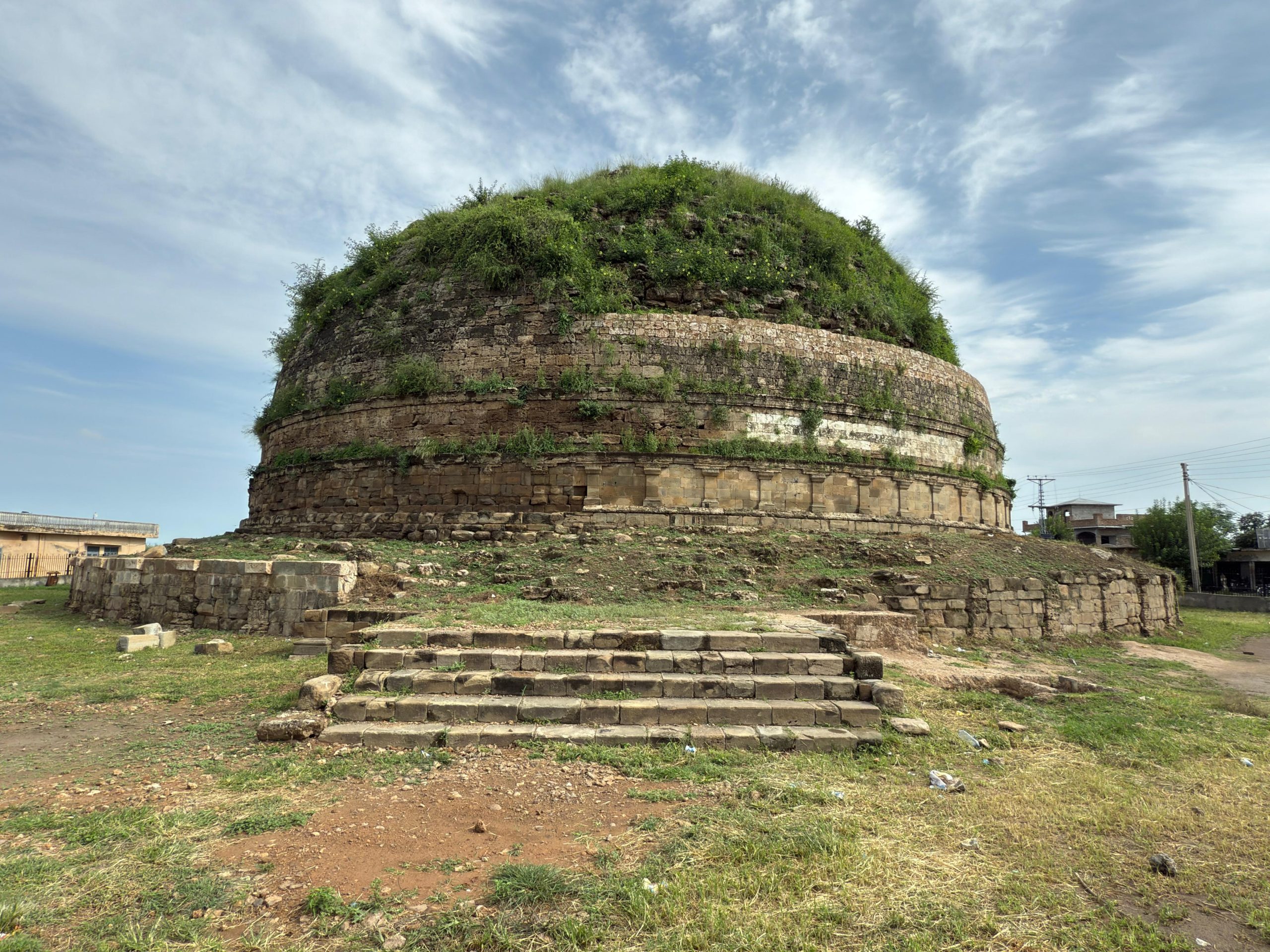
Buddhism began to spread in the area around the 3rd century BCE, especially because of Emperor Ashoka. He encouraged the teachings of Buddhism and built religious structures called stupas along trade paths. Later, during the Kushan Empire (1st to 3rd century CE), Buddhism grew even more popular. Kushan leaders helped Buddhist monasteries in towns along the Silk Route, which let monks:
Teach travelers
Translate Buddhist texts
Gandhāran Buddhism and Silk Route Art
One of Pakistan’s greatest contributions to Silk Route Buddhism was Gandhāran art. This art style blended:
Indian spiritual themes
Greek and Roman artistic techniques
Central Asian cultural elements
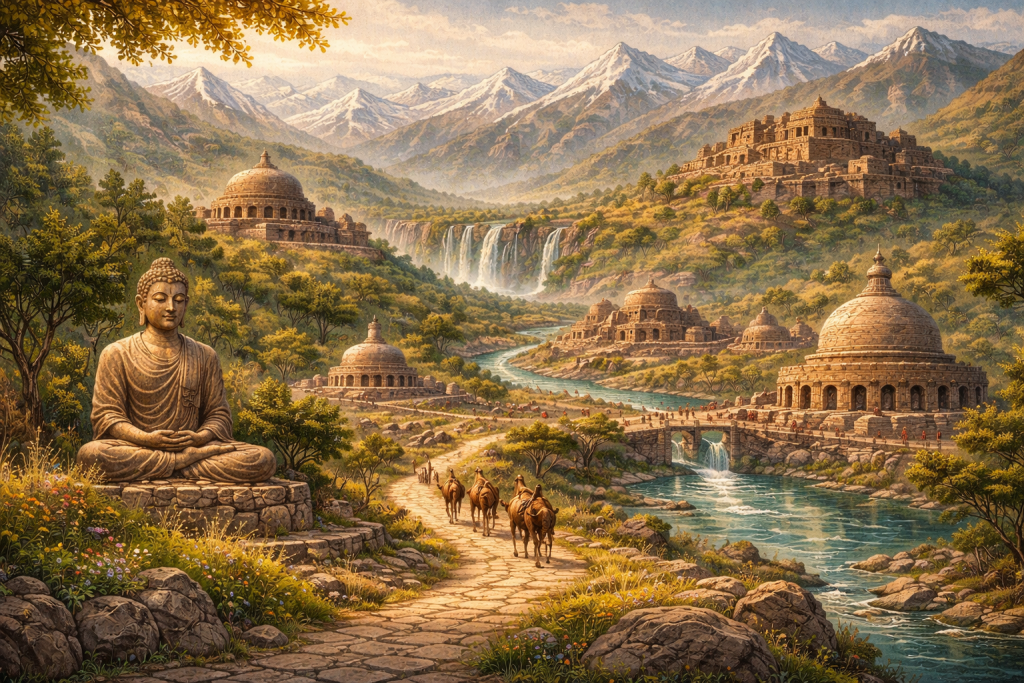
For the first time, the Buddha was shown in human form, wearing robes influenced by Greek styles. These images traveled along the Silk Route and deeply influenced Buddhist art in China, Korea, and Japan.
Key Silk Route Buddhist Sites in Pakistan
CLICK THE LINK TO VISIT ALL BUDDHIST TOURS: “Buddhist tours”
Several important Buddhist sites developed directly along Silk Route paths:
Taxila
A major Silk Route city and learning center
Hosted monasteries, stupas, and universities
A meeting place for traders and monks
Takht-i-Bahi
A hilltop monastery near Silk Route towns
One of the best-preserved Buddhist complexes in South Asia
Swat Valley (Ancient Uḍḍiyāna)
Known as a sacred Buddhist land
Important for Mahāyāna and Vajrayāna Buddhism
Connected routes to Central Asia and Tibet
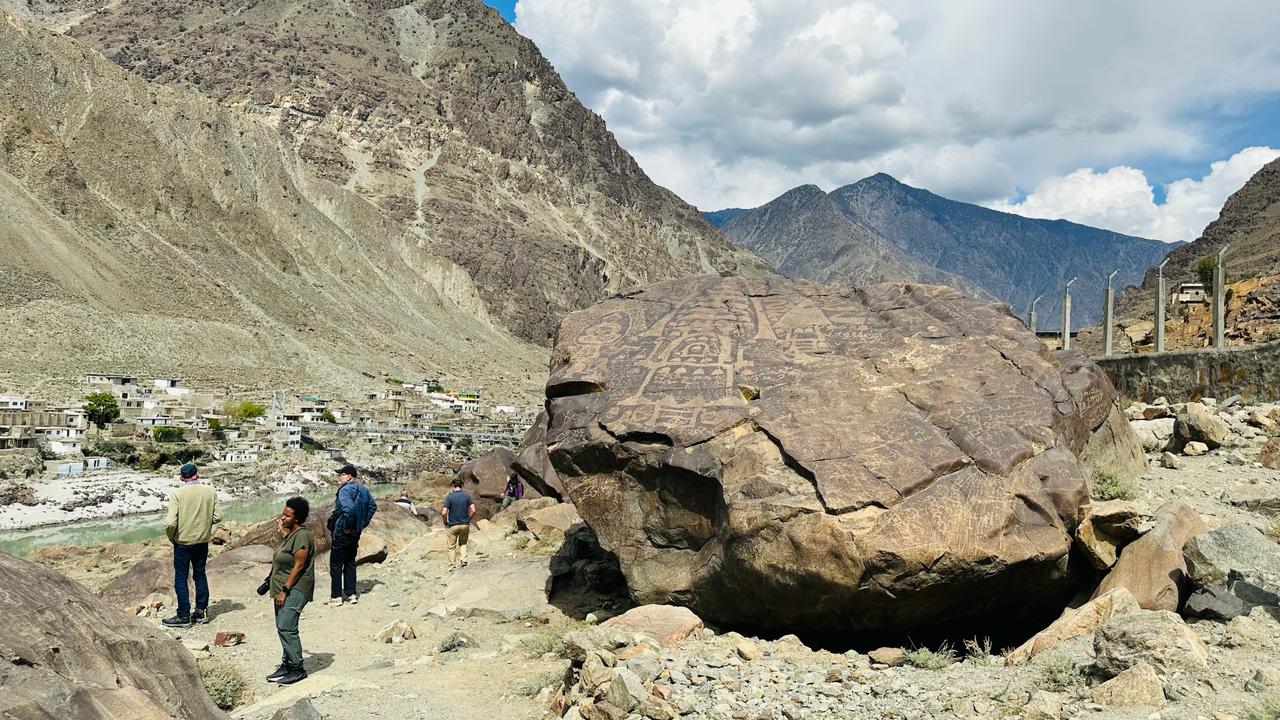
Gilgit-Baltistan
Home to ancient Buddhist rock carvings and manuscripts
Part of northern Silk Route branches leading into China
Transmission of Knowledge Along the Route
Buddhist monasteries in Pakistan served as:
Rest houses for Silk Route travelers
Centers for translation of Buddhist texts
Schools of philosophy, meditation, and ethics
Manuscripts discovered in Gilgit are among the oldest Buddhist texts in the world, showing Pakistan’s role in preserving and transmitting Buddhist knowledge.
Decline of Buddhism but Survival of Heritage
Starting in the 8th century, political changes and the growth of Islam slowly decreased the influence of Buddhism in the area. But Buddhism didn’t go away all at once. Its ideas, art, and buildings stayed an important part of the culture and scenery.
Today, even though there are very few Buddhists in Pakistan, the history of the Buddhist Silk Route can still be seen in old sites, museums, and ancient remains.